The Basics of Healthcare: What You Need to Know

Healthcare is an essential aspect of life that affects every individual, regardless of age or background. It encompasses a wide range of services, from routine checkups to emergency care, and plays a critical role in maintaining overall well-being. Understanding the basics of healthcare can help individuals make informed decisions about their medical needs, access preventive care, and navigate the often complex healthcare system with confidence. From managing minor illnesses to maintaining long-term wellness, a solid grasp of healthcare principles empowers people to take charge of their health.
In addition to offering treatment for acute conditions, healthcare focuses on prevention, early detection, and education to reduce the risk of serious health problems. By familiarizing yourself with how healthcare works, the types of providers available, and the benefits of regular medical attention, you can create a proactive approach to your health. This knowledge is valuable not only for personal well-being but also for supporting family members, planning for emergencies, and making informed choices regarding insurance and benefits.
Understanding the Foundations of Healthcare

Healthcare systems are built on a foundation of medical knowledge, patient care, and public health practices designed to promote wellness and treat illnesses. At the core of any healthcare system are healthcare professionals, policies, and infrastructure that ensure individuals have access to timely and effective medical services. This foundation emphasizes the importance of regular checkups, preventive screenings, and evidence-based treatments to minimize the impact of diseases and improve quality of life. Understanding these basic principles helps individuals navigate healthcare more confidently and ensures they receive the care they need when it matters most.
Specifically, doctors play a central role in the foundation of healthcare. They serve as primary care providers, specialists, and consultants, guiding patients through diagnosis, treatment, and ongoing management of medical conditions. A strong relationship with a trusted doctor allows patients to receive personalized care, monitor chronic conditions, and develop strategies for long-term wellness. Doctors are trained to identify both common and complex medical issues, offering preventive advice, performing necessary procedures, and coordinating care with other healthcare professionals when specialized treatment is required. This makes them indispensable in maintaining overall health and ensuring timely interventions when problems arise.
Exploring Different Types of Healthcare Providers
Healthcare is not limited to one type of provider; it encompasses a diverse range of professionals who specialize in various aspects of health and wellness. From general practitioners to specialists, each provider contributes unique expertise that addresses different needs. Understanding the types of healthcare providers available is essential for receiving appropriate care, as it allows individuals to seek the right professional for their specific condition, preventive measures, or ongoing management of health concerns.
Among these providers, a chiropractor focuses on the diagnosis and treatment of musculoskeletal issues, particularly those related to the spine. Chiropractors use hands-on techniques and therapeutic interventions to alleviate pain, improve mobility, and support overall physical health. Many patients seek chiropractic care for conditions such as back pain, joint stiffness, or posture-related problems, often in conjunction with other medical treatments. By addressing structural and functional issues in the body, chiropractors play a vital role in promoting long-term wellness and helping individuals maintain an active, pain-free lifestyle.
Recognizing the Importance of Preventive Care
Preventive care is a critical component of a healthy lifestyle, focusing on early detection and proactive measures to avoid serious illnesses. It includes regular checkups, screenings, vaccinations, and lifestyle counseling that can significantly reduce the risk of chronic conditions. By emphasizing prevention, individuals can identify potential health issues before they escalate, leading to better long-term outcomes and reduced healthcare costs. Preventive care also promotes education, empowering people to make healthier choices and manage their well-being more effectively over time.
In particular, children’s health care emphasizes early intervention and routine monitoring to ensure that children develop properly and remain healthy. Pediatric checkups assess growth, nutrition, immunization status, and developmental milestones, allowing healthcare providers to detect potential concerns early. By addressing health issues in childhood, parents and caregivers can prevent complications later in life and establish healthy habits that children carry into adulthood. Preventive measures in children’s health care create a strong foundation for lifelong wellness and help families feel confident in their children’s growth and development.
Managing Common Medical Conditions

Managing everyday medical conditions is an essential part of healthcare, as even minor issues can affect quality of life if left untreated. Common conditions such as colds, flu, minor injuries, and mild infections often require timely attention to reduce discomfort and prevent complications. Learning how to identify symptoms, seek appropriate care, and implement at-home remedies can empower individuals to manage these conditions effectively. Healthcare systems provide guidance and resources for dealing with routine health concerns while supporting preventive strategies to reduce their recurrence.
A specific example of a common medical issue is tooth pain, which can arise from cavities, gum disease, or dental infections. Addressing tooth pain promptly is important to prevent worsening conditions and potential complications, such as abscesses or tooth loss. Treatment may involve professional evaluation, prescription medications, or simple procedures performed by a dental professional. Understanding the causes of tooth pain, practicing good oral hygiene, and seeking care when discomfort arises ensures that individuals maintain oral health while avoiding long-term dental problems.
Navigating Dental and Vision Care
Dental and vision care are vital components of overall health, as they impact not only physical well-being but also daily functionality and quality of life. Regular dental and vision checkups help prevent complications, detect early signs of disease, and maintain essential bodily functions such as eating, speaking, and seeing clearly. Awareness of preventive practices, screening schedules, and routine maintenance allows individuals to maintain optimal dental and visual health throughout their lives.
Specifically, an eye doctor provides professional evaluation and treatment for a variety of vision-related issues, from refractive errors like nearsightedness to chronic conditions such as glaucoma or cataracts. Regular visits to an eye doctor enable early detection of problems that could affect vision permanently if left untreated. Eye doctors also advise patients on corrective measures, prescribe glasses or contact lenses, and recommend preventive strategies to protect eye health. By integrating eye care into routine health practices, individuals can preserve vision and enhance overall quality of life.
Addressing Children’s Health Needs
Children’s health needs extend beyond basic care, requiring attention to both physical development and preventive health practices. Ensuring children grow up healthy involves routine checkups, vaccinations, nutritional guidance, and education on good hygiene. Families who prioritize healthcare for their children help them develop strong habits early on, which reduces the risk of illnesses and promotes long-term well-being. Proper management of children’s health also includes monitoring developmental milestones and providing timely intervention when concerns arise.
A critical aspect of children’s healthcare is regular visits to the dentist’s office. Dental checkups for children help prevent cavities, detect early signs of oral health issues, and educate both children and parents on proper dental hygiene. Pediatric dentist offices often provide a child-friendly environment to make visits less intimidating while offering treatments such as fluoride applications, sealants, and guidance for healthy teeth development. By prioritizing dental visits, parents ensure that their children maintain good oral health, which contributes to overall wellness and prevents complications in the future.
Understanding Healthcare Benefits
Healthcare benefits for workers are an essential part of employee well-being, providing access to medical care, preventive services, and financial support for healthcare costs. These benefits often include insurance coverage for doctor visits, medications, specialist care, and wellness programs, which can improve overall productivity and reduce absenteeism. Understanding available healthcare benefits allows workers to make informed decisions about which services to utilize and how to maximize their value for personal and family health needs.
Specifically, healthcare benefits for workers can cover a wide range of services, including routine checkups, dental care, vision care, and specialist consultations. Employees with comprehensive benefits can access preventive care, manage chronic conditions, and address unexpected health concerns without facing significant financial strain. Knowledge of these benefits also encourages employees to take advantage of wellness programs, screenings, and educational resources, fostering healthier habits and supporting long-term physical and mental well-being.
Exploring Specialty Care Options

Specialty healthcare providers focus on particular areas of medicine, offering advanced expertise that goes beyond general practice. These providers include specialists such as cardiologists, dermatologists, orthopedists, and other professionals trained to manage complex or unique health needs. Accessing specialty care ensures that patients receive targeted treatment for specific conditions, enhancing recovery outcomes and improving quality of life. Understanding when to consult a specialist is a vital aspect of managing personal and family health effectively.
A prime example in the dental field is the cosmetic dentist, who specializes in improving the appearance and function of teeth. Cosmetic dentists provide services such as teeth whitening, veneers, crowns, and smile reconstruction, addressing both aesthetic and structural concerns. Patients often seek cosmetic dental care to enhance confidence, correct imperfections, or restore dental function after damage. By consulting a cosmetic dentist, individuals receive tailored treatment plans that combine professional expertise with modern dental technology, resulting in improved oral health and overall satisfaction.
Choosing the Right Healthcare Professionals
Selecting the right healthcare professionals is essential for receiving high-quality care that meets individual needs. Patients benefit from providers who are knowledgeable, experienced, and responsive to their concerns. Choosing the right professional also helps establish trust, encourages adherence to treatment plans, and ensures timely intervention for medical issues. Understanding the credentials, specialties, and approaches of healthcare providers allows patients to make informed decisions that improve outcomes and satisfaction.
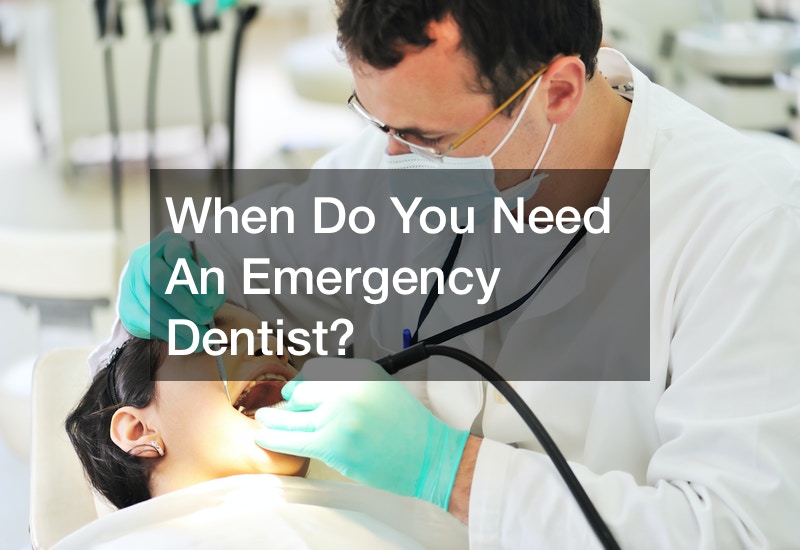
A critical area where this applies is choosing a dentist. The right dentist can provide preventive care, diagnose oral health issues early, and guide patients in maintaining healthy teeth and gums. Beyond routine cleanings, dentists offer treatments ranging from cavity fillings to root canals, ensuring comprehensive oral care. Evaluating a dentist’s experience, reputation, and patient reviews can help individuals find a professional who aligns with their expectations, creating a positive and effective dental care experience.
Maintaining Health and Wellness at Home

While professional healthcare services are vital, maintaining health and wellness at home is equally important. Daily habits such as a balanced diet, regular exercise, proper sleep, and hygiene practices play a crucial role in preventing illness and supporting overall well-being. Incorporating at-home preventive measures complements professional care, reduces the risk of chronic conditions, and empowers individuals to take an active role in their health management.
For individuals who require dental prosthetics, caring for dentures at home is an essential part of oral health maintenance. Proper cleaning, regular inspections for damage, and following the dentist’s guidance ensure that dentures remain comfortable and functional. Well-maintained dentures prevent oral infections, improve chewing and speech, and support overall confidence. By integrating at-home denture care with routine dental visits, individuals can maintain a healthy mouth and enjoy the benefits of a fully functional smile.
Understanding the basics of healthcare is essential for navigating the complexities of modern medical services and maintaining personal and family wellness. From preventive care and routine checkups to managing specific conditions and accessing specialty providers, knowledge empowers individuals to make informed decisions about their health. Being proactive, seeking the right professionals, and incorporating at-home care all contribute to improved outcomes and a higher quality of life.
Healthcare is a collaborative effort involving doctors, dentists, specialists, and patients themselves. By recognizing the importance of different healthcare services, understanding benefits such as those provided to workers, and addressing both routine and specific needs, individuals can take meaningful steps toward lasting wellness. Whether visiting dentist offices, consulting a chiropractor, addressing tooth pain, or caring for dentures at home, integrating professional guidance with personal habits ensures comprehensive care. Ultimately, a well-rounded approach to healthcare supports physical, emotional, and mental health, helping individuals thrive at every stage of life.