
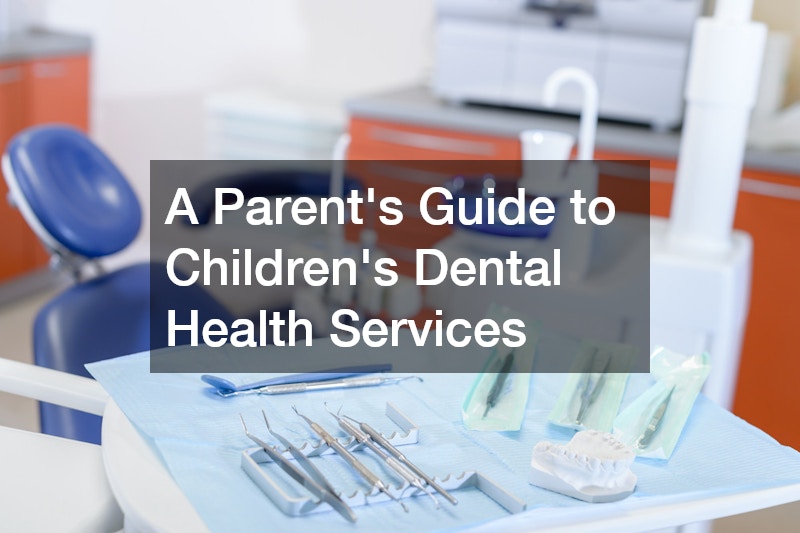
A Parents Guide to Childrens Dental Health Services

Raising a child comes with countless decisions, and oral health is one that often raises questions for parents. Many caregivers are unsure when to schedule a first dental visit, what treatments are truly necessary, or how dental needs change as children grow. Unlike adult dental care, children’s oral health is closely tied to development, behavior, and habits that evolve year by year. Teeth are constantly erupting, shifting, and making room for future growth, which means dental care is never one-size-fits-all.
From the first tooth to the teenage years, children’s mouths go through constant changes that require thoughtful care. Early childhood focuses on monitoring growth, preventing decay, and building positive associations with dental visits. As children enter school-age years, their needs expand to include managing cavities, monitoring spacing, and addressing injuries from sports or play. Adolescence introduces new challenges, such as increased independence, dietary changes, orthodontic concerns, and a greater responsibility for personal hygiene. Each stage brings different priorities, risks, and opportunities for prevention.
Understanding the range of dental services available—and when they are needed—can help parents feel confident, prepared, and proactive. Knowing what services exist allows parents to recognize potential issues early, ask informed questions, and avoid unnecessary stress when treatment is recommended. It also empowers families to focus on prevention rather than reacting to problems after they become more complex or costly. When parents understand the purpose behind each type of dental service, decisions feel less overwhelming and more purposeful.
This guide breaks down children’s dental health services in a clear, practical way so you can make informed choices at every stage of your child’s development. Instead of relying on guesswork or conflicting advice, parents can use this information to understand what to expect, how to support healthy habits at home, and when professional care is most important. With the right knowledge, dental care becomes a manageable and positive part of raising a healthy child, rather than a source of confusion or anxiety.
Choosing the Right Dental Professional at Every Age
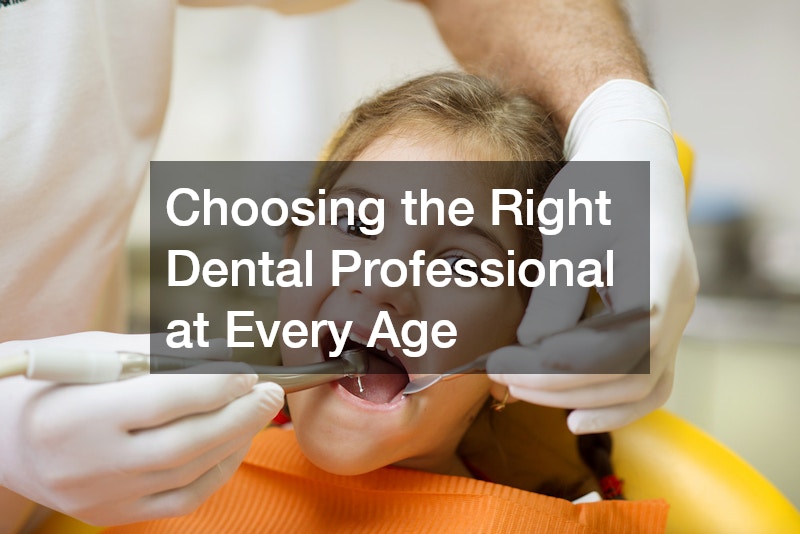
Finding the right dental provider is one of the most important steps parents take in supporting their child’s oral health. Children are not just “small adults”—their teeth, jaws, and emotional needs require a different approach.
A kids dentist is specifically trained to work with children and understands how to create a welcoming, low-stress environment. This often includes child-friendly language, gentle techniques, and offices designed to help kids feel comfortable rather than intimidated. These details can make a major difference in how a child perceives dental visits long-term.
A pediatric dentist goes through additional education beyond dental school, focusing exclusively on infant, child, and adolescent oral health. This specialized training allows them to recognize developmental issues early and tailor care based on age, growth patterns, and behavior.
When evaluating a dental provider for your child, consider the following:
-
Experience working with children of your child’s age
-
How the staff communicates with kids and parents
-
Office policies on parent presence during appointments
-
Emergency availability and after-hours guidance
-
Preventive focus rather than reactive treatment
Building a long-term relationship with the same provider also has advantages. Familiarity helps children feel safe, allows the dental team to track changes over time, and supports more personalized care as your child grows.
Dental Care for Babies and Toddlers: Starting Strong Early
Early dental visits lay the foundation for a lifetime of healthy habits. Many parents are surprised to learn that dental care should begin well before all baby teeth erupt, but the earliest stages of oral development play a major role in long-term health. These first visits help children become familiar with the dental environment while giving parents the knowledge they need to protect developing teeth from the start.
An infant dentist focuses on oral health during the earliest stages of life, often seeing children by their first birthday or when the first tooth appears. These appointments are typically short, gentle, and designed to build comfort rather than perform complex procedures. The focus is on education, monitoring growth, and preventing problems before they begin. Parents are encouraged to ask questions and share concerns about feeding habits, teething discomfort, and daily routines.
Key benefits of early dental visits include:
-
Guidance on cleaning gums and early teeth to prevent plaque buildup
-
Evaluation of oral development and bite alignment as teeth emerge
-
Identification of early risk factors for decay, including diet and habits
-
Support for parents navigating teething, feeding transitions, and comfort strategies
Preventive dental care plays a critical role during infancy and toddlerhood. Establishing daily routines early helps reduce the risk of cavities and gum issues as more teeth come in. Regular monitoring also allows dental professionals to catch subtle changes that may need attention as a child grows.
Parents can support oral health at home by:
-
Gently wiping gums with a soft, damp cloth before teeth appear
-
Brushing emerging teeth with an age-appropriate toothbrush and a small amount of toothpaste
-
Using fluoride only as recommended by a dental professional
-
Avoiding prolonged bottle use, especially at bedtime, to reduce cavity risk
-
Limiting sugary drinks and snacks that contribute to early decay
By addressing oral health early, parents help normalize dental visits and reduce anxiety as children grow. Early positive experiences encourage cooperation, build trust, and set the stage for consistent, confident dental care throughout childhood.
Managing Dental Anxiety and Comfort During Treatment

Dental anxiety is common in children, and addressing it early can prevent long-term fear that carries into adulthood. Children’s first experiences with dental care often shape how they feel about future visits. Some children are naturally more sensitive to sounds, sensations, bright lights, or unfamiliar environments, which can make even simple appointments feel overwhelming. Others may develop anxiety after a previous uncomfortable experience or from hearing negative stories from peers or family members. Recognizing these reactions early allows parents and dental providers to respond with empathy and appropriate support.
A sedation dentist is trained to use calming techniques and medications that help children remain relaxed during certain procedures. Sedation is not used for routine cleanings or exams but may be recommended when a child needs extensive dental work, has severe anxiety, or struggles to remain still for extended periods. The goal is not to force treatment, but to create a safe, stress-free experience that allows necessary care to be completed without trauma or fear.
A pediatric sedation dentist has additional expertise in safely administering sedation to children while closely monitoring their comfort and vital signs throughout the procedure. Safety protocols are carefully followed and customized based on the child’s age, weight, medical history, and individual needs. Parents are typically given clear instructions before and after treatment so they know what to expect and how to support their child’s recovery.
Sedation may be considered in situations such as:
-
Extensive restorative procedures that would otherwise require multiple appointments
-
Traumatic dental injuries that require immediate and focused care
-
Children with special healthcare needs who may have difficulty cooperating
-
Severe fear or anxiety that prevents necessary treatment from being completed
Parents can also help reduce anxiety by:
-
Avoiding negative language or sharing their own fears about dental visits
-
Reading books or watching videos that explain dental care in a child-friendly way
-
Scheduling appointments earlier in the day when children are well-rested
-
Staying calm, reassuring, and positive before and after visits
Open communication with your child’s dental provider ensures that comfort and safety are always prioritized. Sharing concerns, asking questions, and discussing past experiences help the dental team create a personalized approach that builds trust and encourages a more positive relationship with dental care over time.
Addressing Common Dental Issues as Children Grow
Supporting Proper Tooth and Jaw Development
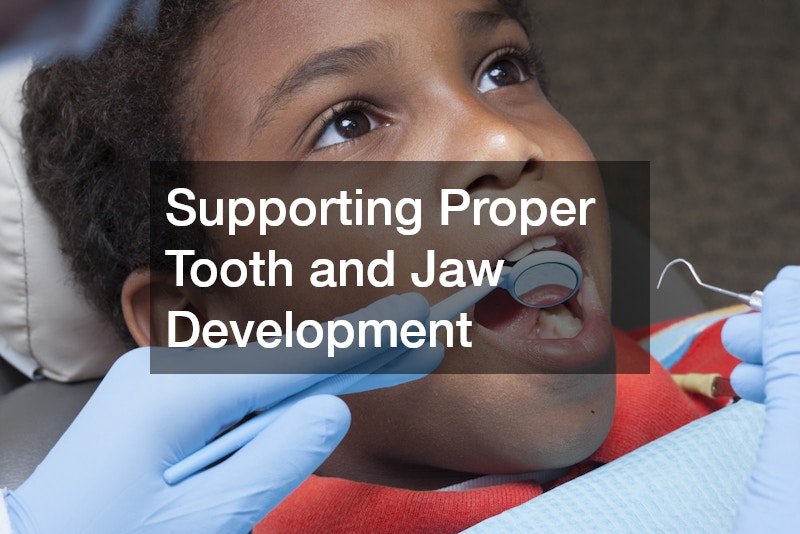
Healthy spacing and alignment during childhood are essential for a well-functioning adult smile. Baby teeth act as natural guides for permanent teeth, helping them erupt in the correct location and maintain balanced jaw development. When these teeth remain in place until they are naturally ready to fall out, they support proper chewing, clear speech, and even facial structure. Problems can arise when baby teeth are lost too early due to decay or injury, as nearby teeth may drift into the open space, reducing room for the permanent tooth and increasing the risk of crowding or misalignment later.
Space maintainers are small appliances designed to hold open the space left by a missing tooth. By preserving this space, they help ensure that permanent teeth erupt in the correct position rather than becoming trapped or emerging at an angle. This early intervention can reduce the need for extensive orthodontic treatment in the future and supports more predictable tooth development as a child grows.
Pediatric space maintainers are custom-fitted for children and may be fixed or removable, depending on the situation. Fixed appliances are often recommended for younger children or when consistent wear is essential, while removable options may be suitable for older children who can follow instructions reliably. A dental professional will evaluate factors such as age, number of missing teeth, the expected timing of permanent tooth eruption, and overall oral development before recommending the most appropriate option. Regular monitoring ensures the appliance continues to function properly as the child’s mouth changes.
Parents play an important role in maintaining these appliances by:
-
Encouraging proper cleaning around the device to prevent plaque buildup
-
Monitoring for looseness, irritation, or discomfort and reporting concerns promptly
-
Avoiding sticky or hard foods that could bend, dislodge, or damage the appliance
-
Attending follow-up appointments as scheduled to track development and make adjustments
Consistent care and monitoring help ensure the appliance does its job effectively without causing additional issues. Supporting proper development early can minimize the need for more complex treatments later, helping children transition smoothly into adolescence with healthier alignment and fewer long-term dental concerns.
Conclusion: Helping Your Child Build a Lifetime of Healthy Smiles.
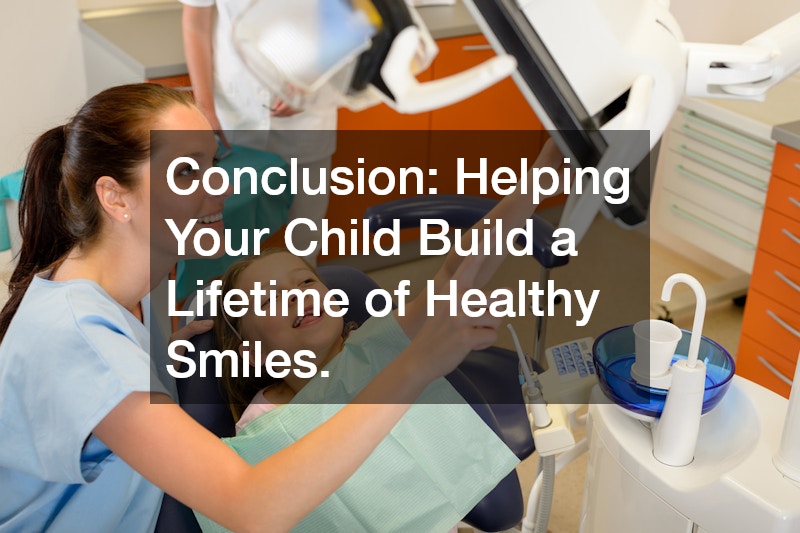
Children’s dental health is about much more than treating problems as they arise. It’s about education, prevention, comfort, and thoughtful planning at every stage of growth. By understanding available services and working closely with experienced dental professionals, parents can guide their children toward strong, confident smiles that last a lifetime. Staying informed, proactive, and supportive helps ensure that dental care becomes a positive and empowering part of your child’s overall health journey